How Can Leaders Restore Energy Without Just Telling People to Rest?
Dr. Charles Castillo
Mental Resilience Counseling | THE P.H.O.E.N.I.X. MODEL™

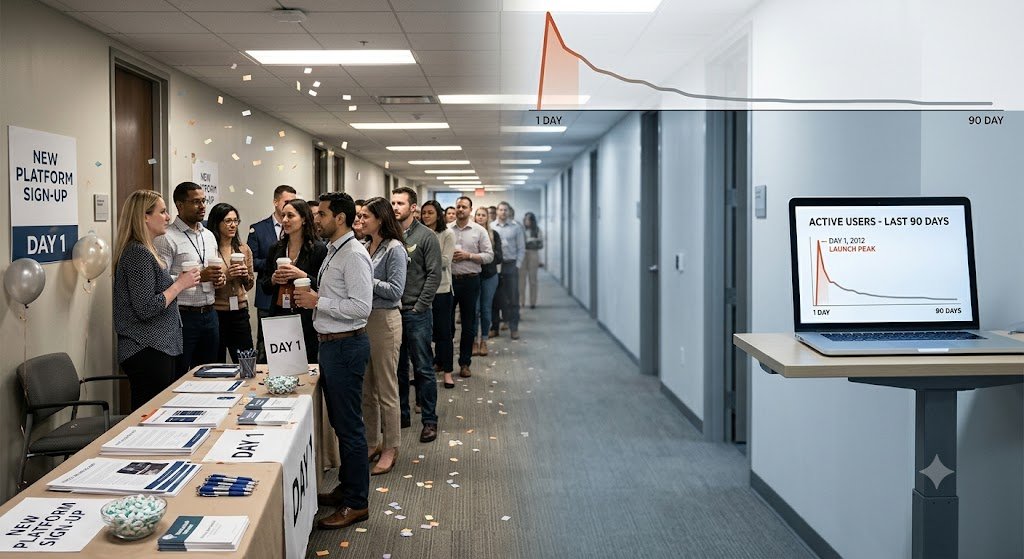
Rest matters. Recovery matters. But leaders know that telling people to rest is often not enough. In many workplaces, exhaustion is not caused only by long hours. It is caused by ambiguity, emotional overload, unnecessary friction, weak priorities, and the slow loss of meaningful connection. If those conditions remain in place, a little rest may help temporarily without changing the deeper drain. (Wall Street Journal)
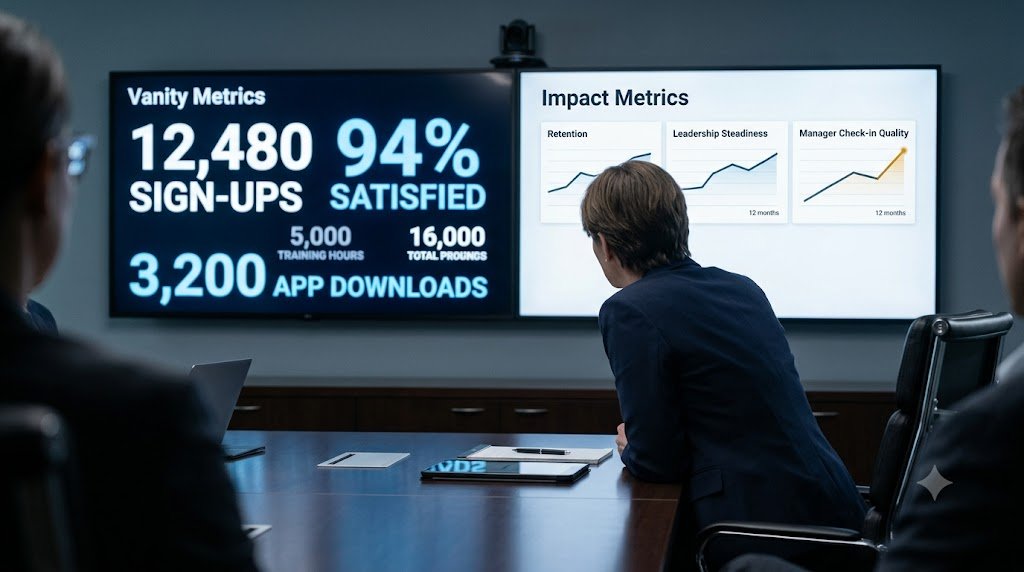
This is why restoring energy often begins with leadership decisions, not just employee advice. Teams regain energy when priorities become clearer, when pointless friction is reduced, when managers communicate more consistently, and when the work once again feels connected to something worth carrying. Gallup’s findings on manager engagement and training point directly to this issue. Managers influence team engagement, and unsupported managers tend to produce unsupported teams. When leadership gets steadier and clearer, energy often becomes easier to restore. (Business Insider)
Drawing from the PHOENIX Model, Dr. Charles Castillo identifies Anchored Hope as a clinical resilience factor influencing engagement, endurance, and workplace stability. That means restored energy is not only physical. It is also directional. People regain energy when they feel less fragmented, more supported, and more connected to a meaningful future. If that connection has weakened, the answer is not only time off. It is re anchoring.
Leaders can do that by reducing avoidable confusion, helping people reconnect current effort to future value, making support visible, and creating conversations that surface drift before it becomes deeper detachment. In other words, energy is often restored when people feel less alone, less fragmented, and less emotionally cut off from why the work matters. Rest may still be part of the solution, but it is rarely the whole solution.
The Anchored Hope Index™ helps individuals and organizations reflect on meaning, future orientation, resilience, support, and drift risk before exhaustion becomes more permanent disengagement.
If you want a more structured way to restore energy by addressing more than fatigue alone, the Anchored Hope Index™ offers a thoughtful place to begin.
Educational Use Disclaimer: The Anchored Hope Index™ is an educational and organizational development tool intended to support reflection, awareness, and discussion. It is not a diagnostic, clinical, or mental health assessment instrument and should not be used as a substitute for professional mental health evaluation or treatment.
References:Gallup manager engagement and training findings, as reported by Business Insider and The Wall Street Journal. (Business Insider)Research on work life balance and motivation. (arXiv)