How Do You Reduce Turnover When Your Best People Are Emotionally Exhausted?
Dr. Charles Castillo
Mental Resilience Counseling | THE P.H.O.E.N.I.X. MODEL™

Turnover is often discussed as a talent market problem, a compensation problem, or a recruiting problem. But when your best people are emotionally exhausted, turnover often begins much earlier than the resignation itself. It begins when the effort required to keep going starts to outweigh the meaning, steadiness, and future connection that once made the role sustainable. By the time a strong employee leaves, the deeper separation has usually been forming for some time. (Wikipedia)
That is why reducing turnover among emotionally exhausted high performers requires more than retention bonuses or last minute conversations. Those may help at the margins, but they rarely solve the deeper issue if the employee is already becoming detached from the future inside the role. Emotional exhaustion changes how people evaluate staying. They may still care. They may still perform. But the cost of continuing can start to feel personally unsustainable. Early research linking exhaustion and work dissatisfaction to turnover intention helps reinforce this point. People often leave not only because another option appears, but because staying has become too draining. (arXiv)
What helps is earlier visibility. Leaders need to notice the difference between someone who is simply having a hard stretch and someone who is beginning to separate emotionally from the work. That often shows up as lower initiative, flatter presence, weaker patience, more mechanical performance, and less visible connection to long term contribution. The danger is that strong employees often hide this stage well. They keep delivering long enough that others assume nothing serious is happening. (Wall Street Journal)
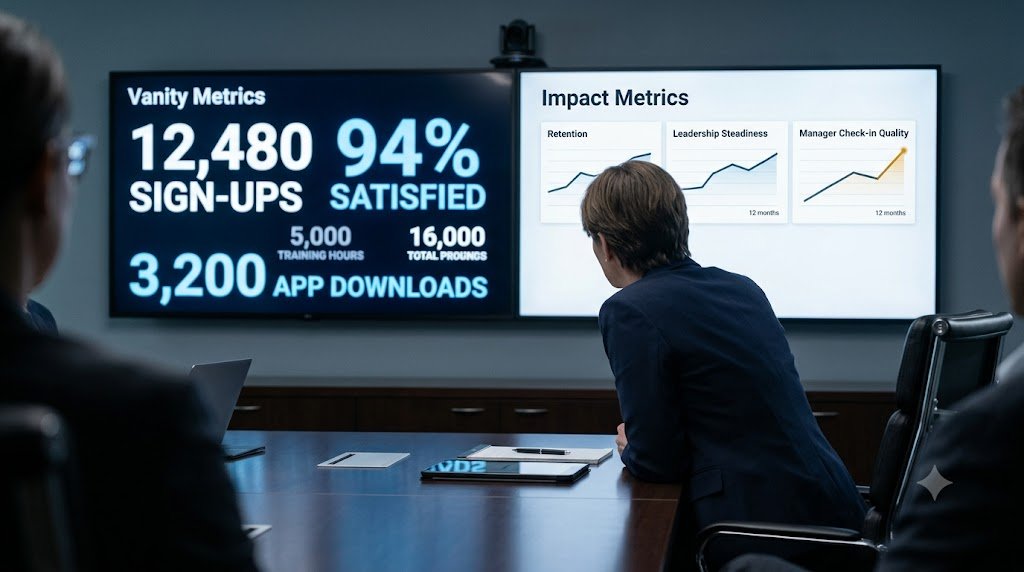
Reducing turnover also means strengthening the conditions that make staying feel possible. That includes clarity, manageable load, real support, and managers who are engaged enough to notice when someone is carrying strain differently. Gallup’s research has repeatedly shown that manager quality and engagement matter deeply for employee experience and performance. When managers are unsupported or disengaged, the people under them often feel it quickly. (Business Insider)
Drawing from the PHOENIX Model, Dr. Charles Castillo identifies Anchored Hope as a clinical resilience factor influencing engagement, endurance, and workplace stability. That becomes highly relevant when high performers are emotionally exhausted. Many do not leave only because they are tired. They leave because the future inside the role no longer feels meaningful enough, believable enough, or emotionally worth the continued cost. When that anchor weakens, retention becomes fragile even if compensation remains strong.
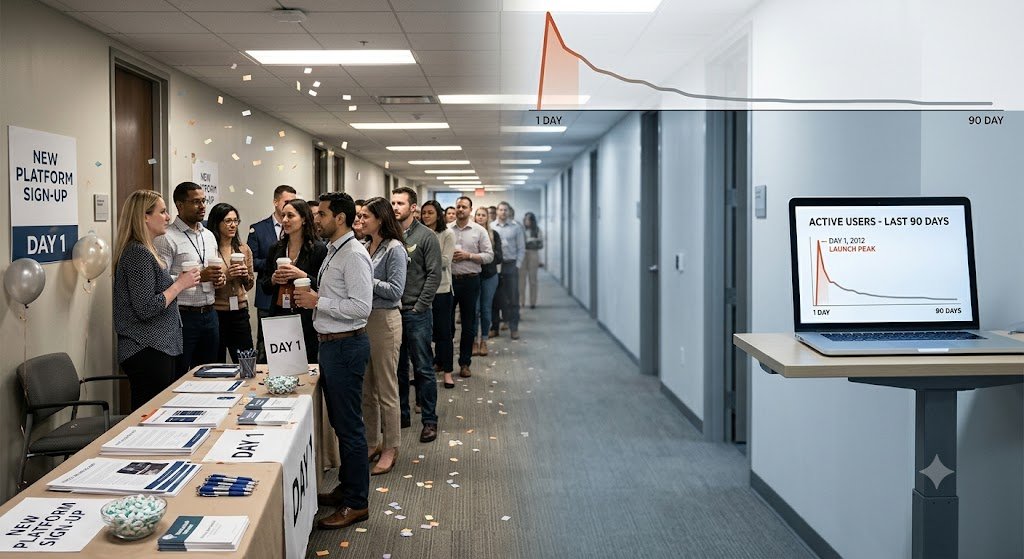
So how do you reduce turnover? You address exhaustion, yes. But you also address disconnection. You ask whether the person still feels direction, agency, purpose, and support. You create space for meaningful conversations before quiet drift turns into departure. And you stop treating turnover only as a downstream event, when in reality it often begins with hidden changes in endurance and future orientation. (Wikipedia)
The Anchored Hope Index™ is designed to help individuals and organizations reflect on that hidden layer earlier. It offers a structured way to explore meaning, resilience, future orientation, support, and drift risk before emotional exhaustion becomes quiet exit.
If you want a more structured way to understand whether your best people are tired, disconnected, or quietly approaching the edge of leaving, the Anchored Hope Index™ offers a thoughtful place to begin.
Educational Use Disclaimer: The Anchored Hope Index™ is an educational and organizational development tool intended to support reflection, awareness, and discussion. It is not a diagnostic, clinical, or mental health assessment instrument and should not be used as a substitute for professional mental health evaluation or treatment.
References:World Health Organization, “Burn-out” as an occupational phenomenon. (Wikipedia)Research on exhaustion and turnover intention. (arXiv)Gallup workplace reporting on manager engagement and team outcomes. (Business Insider)