Can You Rebuild Engagement After a Team Has Been Through Too Much?
Dr. Charles Castillo
Mental Resilience Counseling | THE P.H.O.E.N.I.X. MODEL™

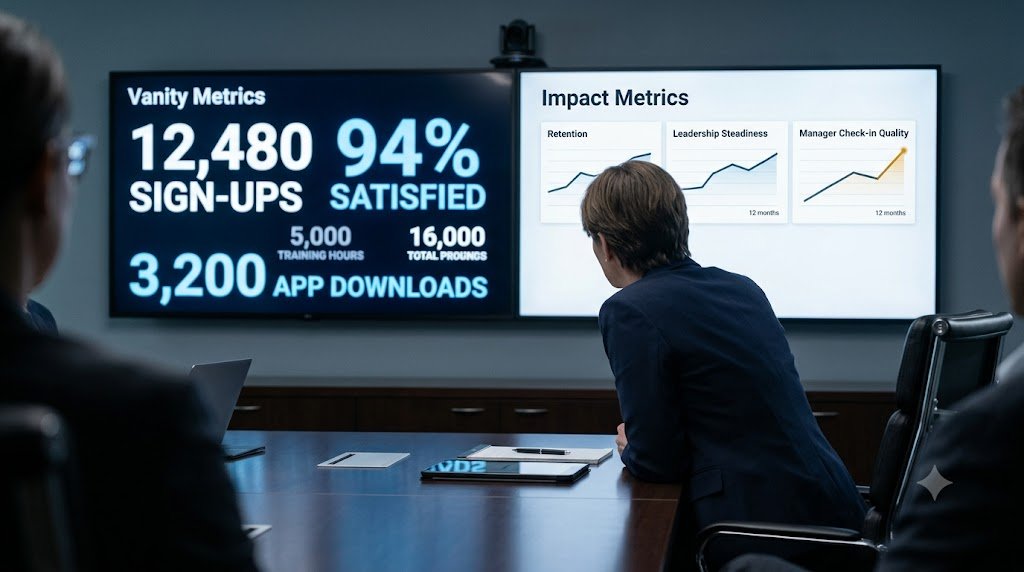
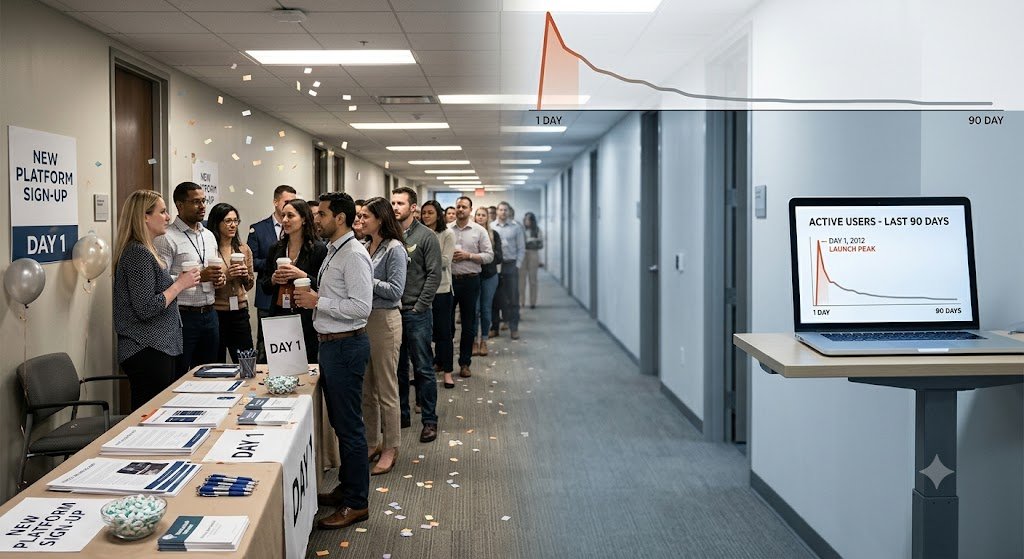
Yes, engagement can be rebuilt after a team has been through too much, but it usually does not come back through enthusiasm campaigns alone. Teams that have endured prolonged pressure, repeated disruption, or emotional overextension do not need to be talked into feeling better. They need to experience enough safety, clarity, steadiness, and future direction that re-engagement becomes believable again. That is an important distinction. Engagement is not restored by demand. It is restored by conditions.
When teams have been through too much, one of the biggest losses is trust in continuity. People may no longer believe that effort leads to anything stable. They may still care, but cautiously. They may still perform, but with less generosity and less emotional range. In some cases, they have not lost all commitment. They have lost confidence that giving more of themselves is sustainable. Gallup’s recent reporting on manager disengagement and workforce strain helps explain why this is so common: when leaders themselves are depleted or undertrained, the emotional recovery of the team becomes much harder. (Wall Street Journal)
Rebuilding engagement starts with naming reality honestly. Teams that have been stretched too far usually know it. What weakens trust is pretending otherwise. From there, leaders need to restore a few key things: clearer priorities, less unnecessary friction, more consistent support, and a believable sense of what the team is moving toward next. People re-engage when the future becomes emotionally possible again, not merely when the workload spreadsheet changes.
That is where meaning and future orientation matter so much. A team that has been through too much often becomes very present focused in the narrowest sense. It lives from task to task, issue to issue, week to week. Rebuilding engagement means expanding that horizon again. It means helping people feel that the future is not only demanding, but worth moving toward. Research on stress and burnout in high pressure fields consistently points to the role of systemic conditions, support, and workload culture in shaping whether people recover or remain stuck in depletion. (arXiv)
Drawing from the PHOENIX Model, Dr. Charles Castillo identifies Anchored Hope as a clinical resilience factor influencing engagement, endurance, and workplace stability. That makes engagement recovery easier to understand. Teams do not fully re-engage because they are told to care. They re-engage when they begin to feel anchored again to a meaningful future, clearer purpose, and conditions that make continued investment feel safe enough to risk.
So yes, engagement can be rebuilt. But the work is not cosmetic. It requires leaders to restore steadiness before inspiration, clarity before slogans, and meaningful future direction before asking for renewed discretionary effort. A team that has been through too much does not need to be pushed first. It needs to be re-anchored.
The Anchored Hope Index™ is designed to help teams and organizations reflect on resilience, support, meaning, future orientation, and drift risk before exhaustion becomes permanent detachment. It gives leaders a more structured way to understand what may need to be restored before engagement can return in a durable way.
If you want a more structured way to understand whether your team is ready to rebuild engagement or still carrying too much unresolved strain, the Anchored Hope Index™ offers a thoughtful place to begin.
Educational Use Disclaimer: The Anchored Hope Index™ is an educational and organizational development tool intended to support reflection, awareness, and discussion. It is not a diagnostic, clinical, or mental health assessment instrument and should not be used as a substitute for professional mental health evaluation or treatment.
References:Gallup findings on manager disengagement and team outcomes, as reported by The Wall Street Journal and Axios. (Wall Street Journal)Recent research on stress and burnout in high pressure professions. (arXiv)