How Do You Protect Workforce Stability During Pressure and Change?
Dr. Charles Castillo
Mental Resilience Counseling | THE P.H.O.E.N.I.X. MODEL™

Pressure alone can destabilize a workforce. So can change. Put the two together and the effects can become difficult to control. Teams that were once steady become reactive. Strong employees become less predictable. Communication gets thinner. Patience narrows. Trust becomes easier to fracture.
That is why workforce stability deserves to be treated as an active discipline, not a passive hope. Leaders often focus on the external mechanics of change: structure, process, communication plans, staffing, budgets, timelines. Those all matter. But pressure and change do more than alter workflow. They alter the emotional conditions under which people are trying to function.
Where Stability Weakens First
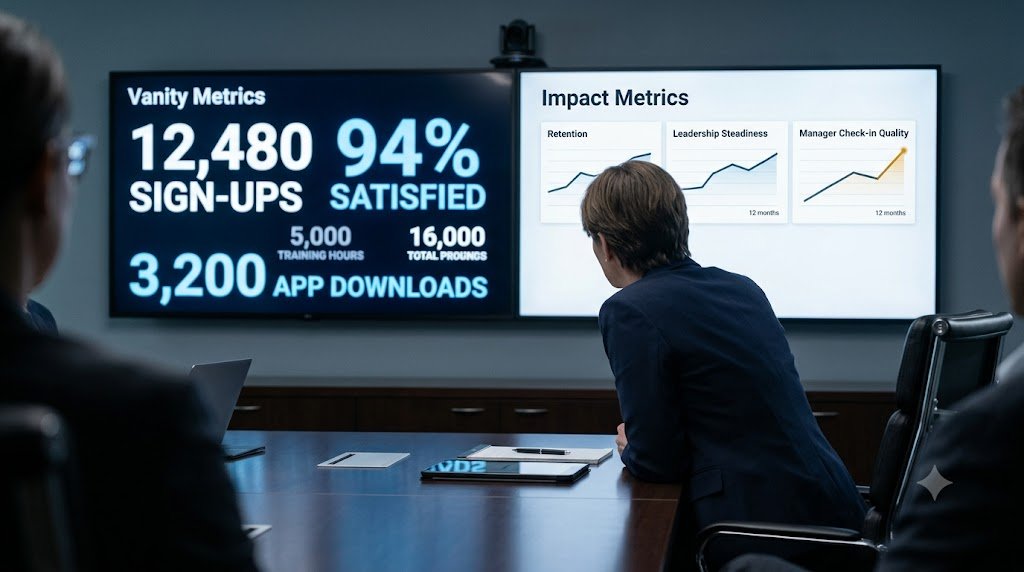
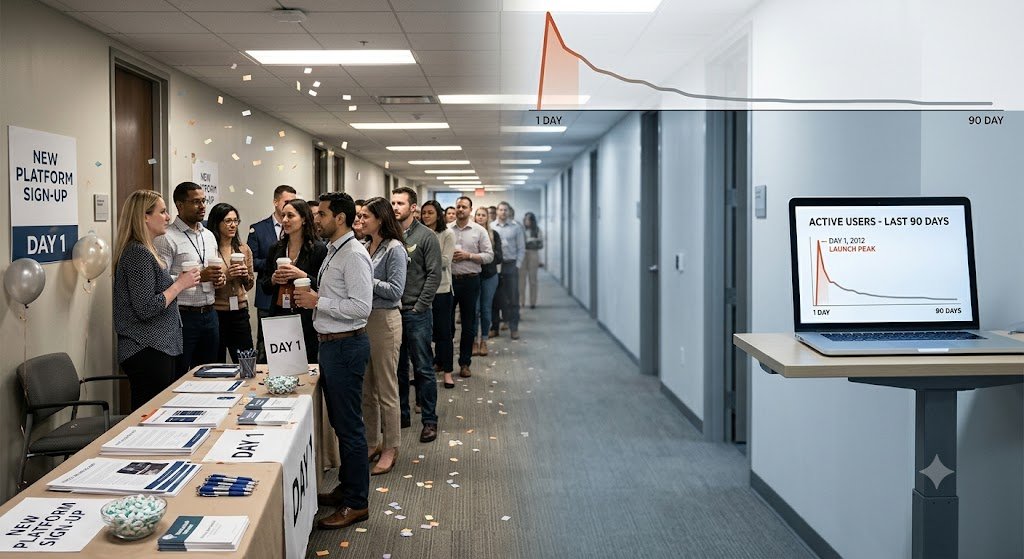
Workforce stability begins to weaken long before turnover tells the story. It weakens when people feel less safe speaking honestly. It weakens when managers lose their emotional steadiness. It weakens when high performers begin to conserve energy instead of contributing freely. It weakens when the future feels unclear, or when the meaning behind the effort becomes harder to feel.
So how do you protect stability when pressure and change are unavoidable? You protect the human anchors, not just the operational plan. People need clarity, yes. But they also need a believable sense of direction. They need to know what remains true, what still matters, what can still be counted on, and why the effort ahead is worth making. In other words, they need more than information. They need grounding.
This is especially important during prolonged uncertainty. When the future becomes blurry, resilience tends to weaken. People can tolerate a surprising amount of difficulty when they still feel connected to a meaningful path forward. But when that path feels emotionally distant, endurance becomes harder. Motivation becomes more fragile. Reactions become more impulsive. Workforce stability begins to erode from the inside.
Drawing from the PHOENIX Model, Dr. Charles Castillo identifies Anchored Hope as a clinical resilience factor influencing engagement, endurance, and workplace stability. During change, Anchored Hope refers to a person's felt connection to a meaningful future worth continuing toward. If that connection remains present, stability becomes more durable. If it weakens, even capable teams may become more volatile under the same external pressure.
This does not mean leaders can remove all uncertainty. It means they can strengthen what helps people carry it. They can provide language that goes beyond logistics. They can check for drift, not just compliance. They can notice when a team is still executing but no longer emotionally grounded. They can focus not only on whether work is being done, but whether the people doing it still feel connected to why they are doing it.
Organizations that protect workforce stability well are not usually the ones with the least pressure. They are the ones that recognize pressure and change as human events, not only strategic events. They protect direction, support, steadiness, and meaning while the external environment is shifting.
The Anchored Hope Index™ offers a structured way to assess some of those hidden conditions. It helps individuals and organizations reflect on future orientation, meaning, resilience, support, agency, and drift risk before instability becomes visible in more expensive forms.
Because workforce stability is not preserved by process alone. It is preserved when people remain anchored while the ground is moving.
Research context: Amy Edmondson's research on psychological safety connects team learning and performance to whether members believe the team is safe for interpersonal risk-taking, a critical issue during change and pressure.
If you want a more structured way to understand whether pressure and change are quietly destabilizing your people before the damage becomes visible, the Anchored Hope Index™ offers a thoughtful place to begin.
Educational Use Disclaimer: The Anchored Hope Index™ is an educational and organizational development tool intended to support reflection, awareness, and discussion. It is not a diagnostic, clinical, or mental health assessment instrument and should not be used as a substitute for professional mental health evaluation or treatment.