What Kind of Assessment Can Identify Hidden Risk Before Performance Drops?
Dr. Charles Castillo
Mental Resilience Counseling | THE P.H.O.E.N.I.X. MODEL™
Most organizations are good at measuring what has already gone wrong.
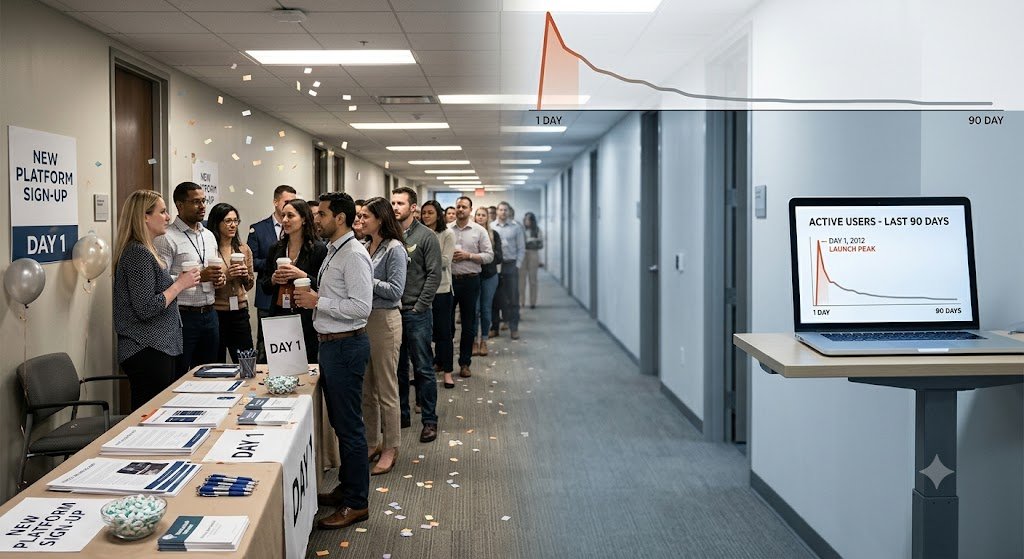
They can see absenteeism after it rises. They can track turnover after someone leaves. They can measure engagement after morale has already weakened. They can document conflict after teams have become strained. But by the time those indicators become obvious, the organization is usually looking at damage, not early warning.
That is the real problem.
The most expensive human risks at work often begin quietly. A leader loses emotional steadiness. A top performer keeps producing but becomes flatter and less connected. A reliable employee starts operating from obligation instead of conviction. Nothing may look broken at first. Yet the deeper conditions that support resilience, judgment, motivation, and endurance are beginning to weaken.
So what kind of assessment can identify that hidden risk before performance drops?
Not a tool that only asks whether someone is busy. Not a tool that only measures satisfaction. And not a tool that confuses surface mood with deeper stability.
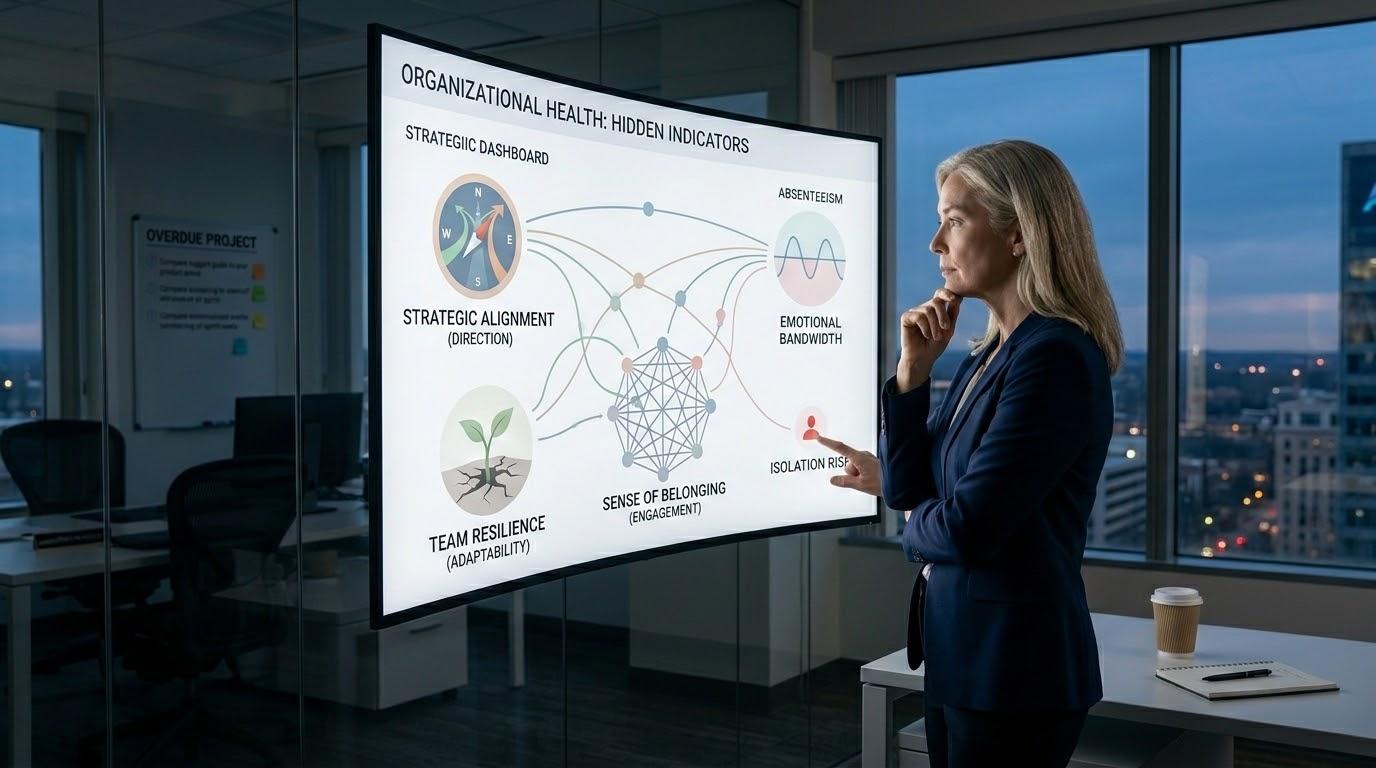
The most useful assessment is one that can help reveal whether a person still feels connected to meaning, direction, future orientation, and an internal reason to keep going. In other words, it should help surface whether the person is still psychologically anchored, or whether they are beginning to drift beneath the surface while outward performance remains intact.
That distinction matters because hidden risk is rarely just about stress level alone.
Two people can both be under pressure and respond very differently. One may feel tired but still connected to purpose. The other may feel increasingly detached, less hopeful, and less inwardly tied to the future they are working toward. The first person may need recovery. The second may be moving toward a deeper form of disengagement that will eventually affect performance, trust, and retention.
Traditional workplace assessments often struggle here because they focus on what is easiest to count.
They measure attendance, engagement scores, utilization rates, or broad wellbeing markers. Those can be useful, but they often sit too far downstream. They tell leaders what has already surfaced. What many organizations need is an upstream assessment, something that helps identify weakening resilience before it hardens into decline.
That kind of assessment should look at questions such as these:
- Does the person still feel connected to meaningful work?
- Can they still see a future worth moving toward?
- Do they still believe they have a path forward?
- Are they functioning from purpose, or mainly from pressure?
- Is stress beginning to erode their sense of direction, motivation, or emotional steadiness?
These are not abstract philosophical questions. They are practical risk questions. Because when meaning weakens, when future orientation dims, and when internal motivation becomes unstable, the effects often show up later as burnout, turnover, reduced judgment, emotional flatness, and quieter forms of withdrawal that organizations tend to notice too late.
This is exactly where Dr. Charles Castillo's concept of Anchored Hope becomes relevant.
In his framework, anchored hope is the strength of a person's connection to a meaningful future that still feels real enough to continue toward. That connection influences resilience, endurance, motivation, and sustained performance under pressure. If it is strong, people are often better able to carry stress without losing themselves. If it begins to weaken, hidden risk rises even if the person still looks productive from the outside.
That is why the Anchored Hope Index™ is designed as more than a general reflection tool.
It is intended to help individuals and organizations assess whether deeper protective factors are still intact. Rather than waiting for visible breakdown, it offers a structured way to reflect on meaning, future orientation, resilience, support, agency, and drift risk. It helps clarify whether someone is simply strained, or whether the inner connection that supports endurance is beginning to erode.
For leaders, that can change the quality of decision making.
It means a manager is not limited to guessing whether an employee is "fine." It means HR is not forced to wait until resignation or crisis makes the answer clear. It means organizations can begin to identify who may need support, conversation, or intervention before the usual performance indicators begin to fall.
The value of this kind of assessment is not that it predicts everything with certainty.
Its value is that it helps reveal what many organizations currently leave invisible. It creates language for a condition that is often felt long before it is measured. And it gives leaders a better chance to respond while the person is still reachable, still functioning, and still capable of reconnecting before deeper decline sets in.
Because the best assessment is not the one that confirms the damage after it happens.
It is the one that helps you see the weakening early enough to do something about it.
If you want a more structured way to identify hidden human risk before burnout, disengagement, or turnover becomes obvious, the Anchored Hope Index™ offers a thoughtful place to begin.
Educational Use Disclaimer: The Anchored Hope Index™ is an educational and organizational development tool intended to support reflection, awareness, and discussion. It is not a diagnostic, clinical, or mental health assessment instrument and should not be used as a substitute for professional mental health evaluation or treatment.