How to Address Burnout Without Labeling or Diagnosing Employees
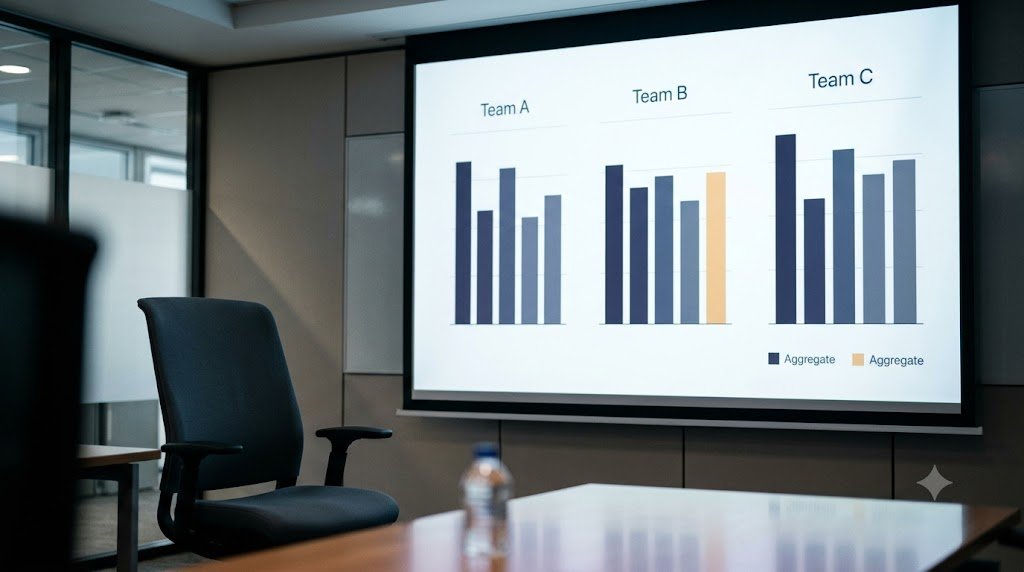
Employees answer honestly only when a tool feels educational, private, and voluntary — never clinical or tied to employment decisions. Here is how to get there.
Practical perspectives on burnout prevention, leadership resilience, workforce stability, and the hidden factors that sustain performance under pressure.

Employees answer honestly only when a tool feels educational, private, and voluntary — never clinical or tied to employment decisions. Here is how to get there.

Managers stay silent not because they are indifferent, but because they are afraid of saying the wrong thing. The fix is not turning them into therapists.

Managers are under strain, and one more session lands like one more obligation. Sometimes the most effective wellbeing strategy is building less, not more.

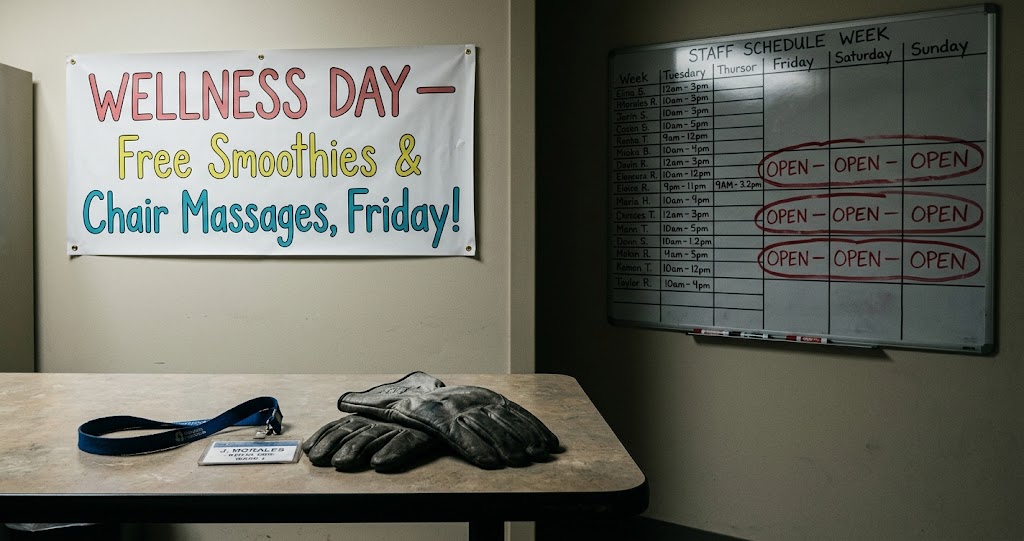
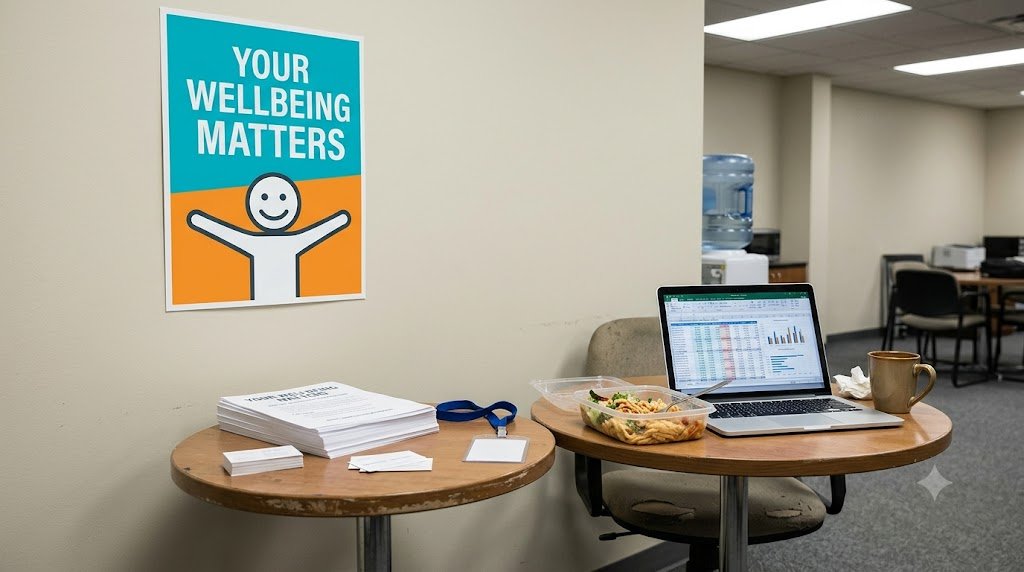
When wellbeing messaging does not match daily reality, skepticism is not irrational — it is earned. Here is how to rebuild trust and address privacy fears honestly.

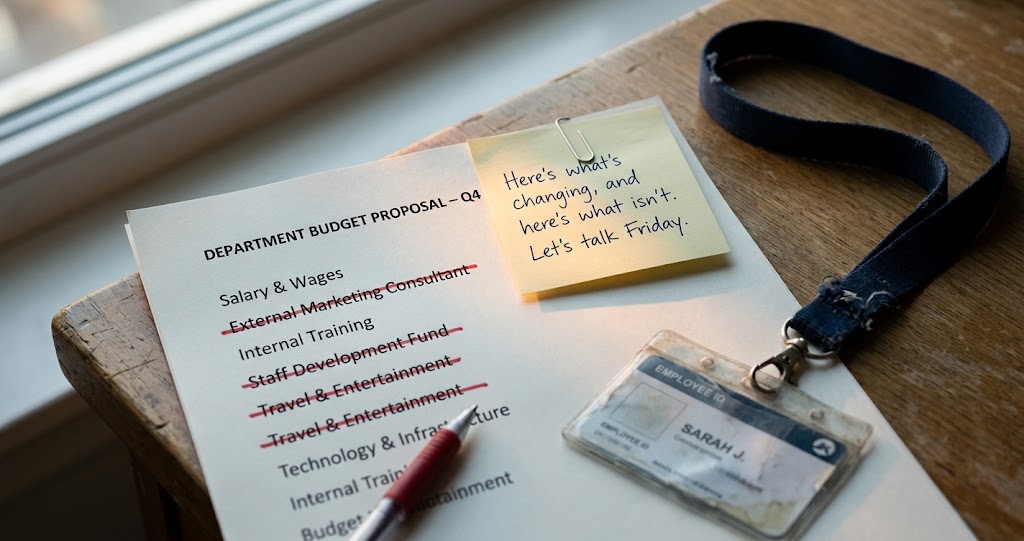
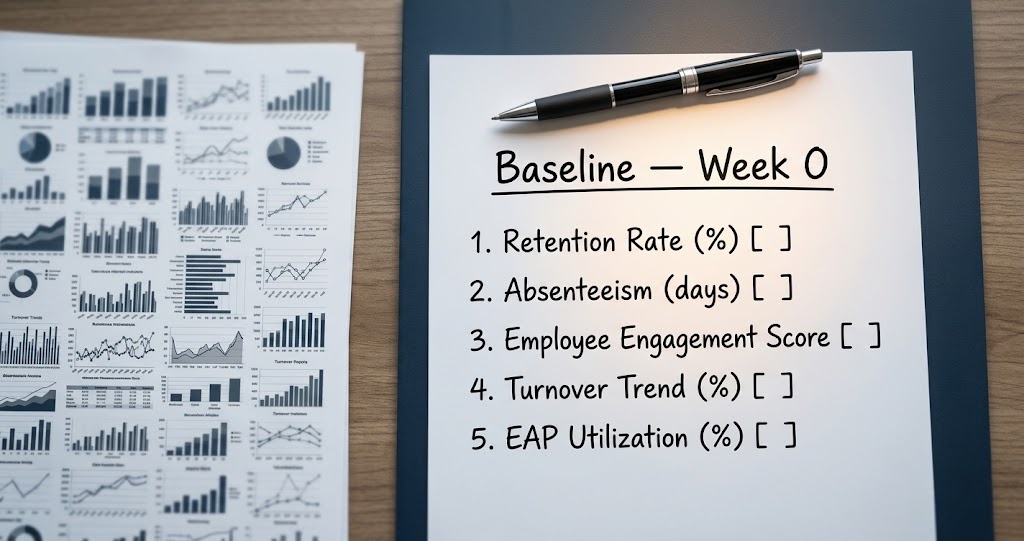
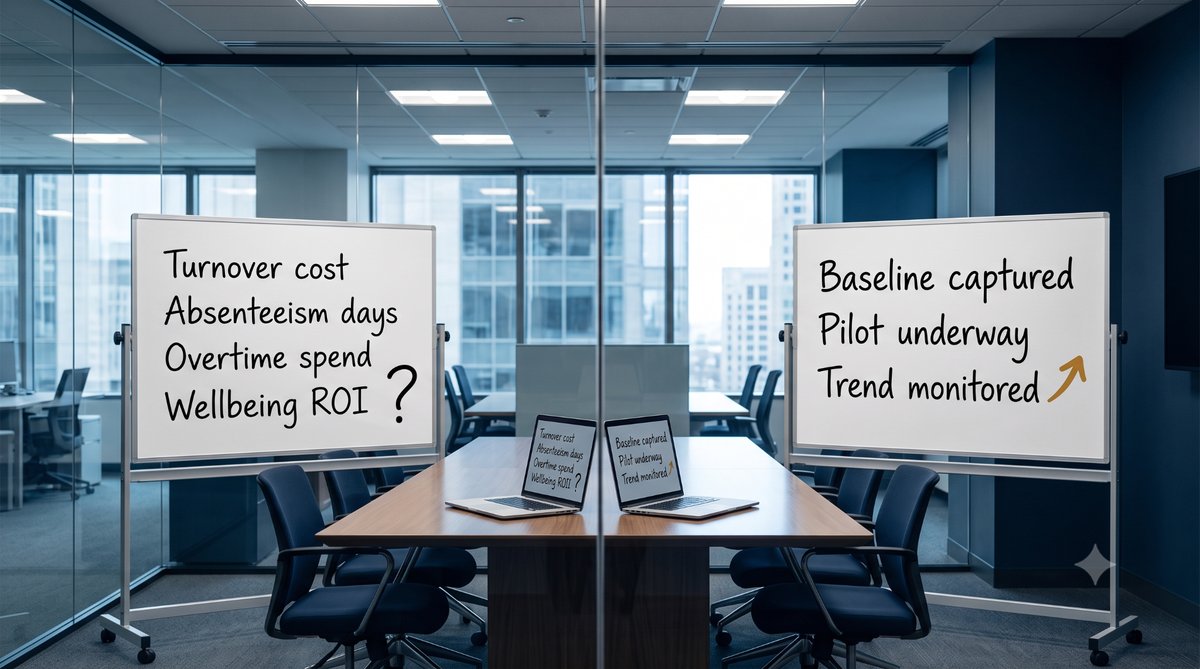
Treat the request like any capital ask: a disciplined strategy, a real baseline, and measurable movement. A CFO respects precision more than promises.

High attendance and warm feedback do not prove resilience improved. Learn to spot changed behavior under real pressure — the difference between who showed up and who changed.

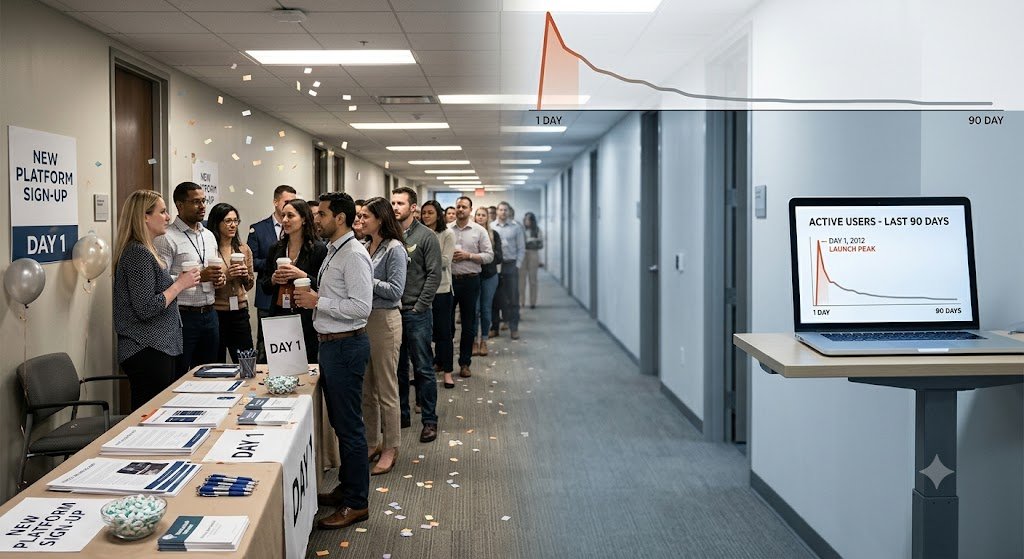
Strong sign-ups, then a quiet slide toward zero. Participation collapses for structural reasons — and declining participation is feedback, not failure.

Sign-ups and satisfaction scores measure whether people showed up — not whether anything changed. Here is how to define success, set a baseline, and prove real business value.

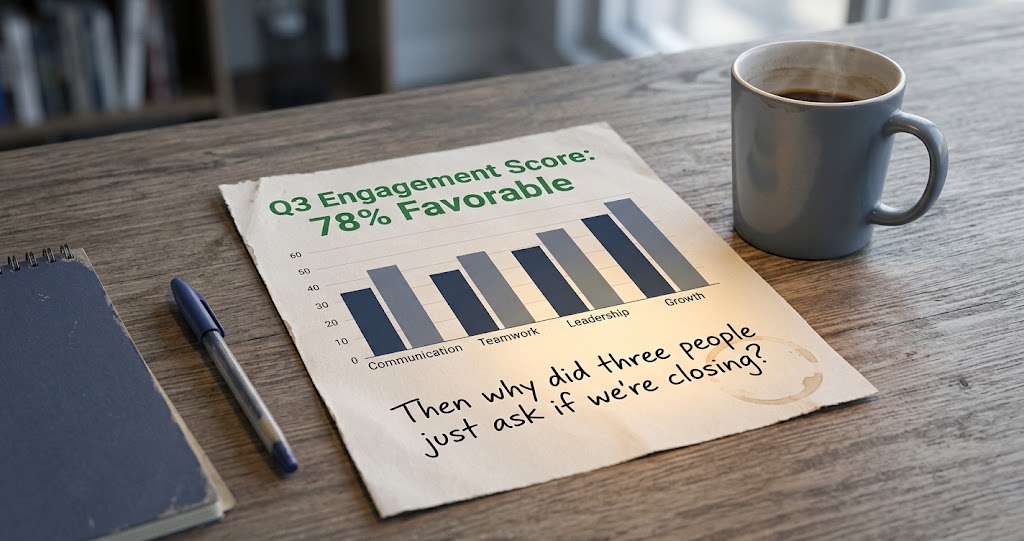
A resilience program wraps up, the attendance sheet is full, satisfaction scores look great — and six months later a CFO asks whether any of it changed anything. Here is what to measure instead of attendance and satisfaction.

A resignation letter from your strongest leader lands differently — it's not just a staffing gap, it's a signal. High performers who take lateral moves are usually searching for sustainability, and the drift starts months before they go.

Somewhere in your organization right now, a supervisor is standing near an employee who is clearly struggling, and saying nothing. It's almost never because they don't care — it's because they lack a workable way to start the conversation.

There are moments in working life when the hardest part is not the workload itself. It is the feeling that the workload has become disconnected from something that makes it worth carrying. A person may still be capable. They may still be disciplin...


When a team has been under prolonged stress, one of the first things it often loses is not capability, but direction. People keep moving. Work still gets done. Meetings still happen. Yet the team can begin to live from deadline to deadline without...

Turnover usually gets measured at the end of the story.

One of the earliest signs of detachment is not always lower performance. Sometimes it is the quiet disappearance of future imagination.

Burnout does not only affect individuals. It changes teams.

Performance rarely collapses the moment hope fades. That is what makes the problem so easy to miss. In the early stage, people may still work hard. They may still hit deadlines and maintain appearances. But performance starts to change in subtler ...

Rest matters. Recovery matters. But leaders know that telling people to rest is often not enough. In many workplaces, exhaustion is not caused only by long hours. It is caused by ambiguity, emotional overload, unnecessary friction, weak priorities...

Some workloads are heavy because they are objectively demanding. But work can also start to feel heavier when the meaning behind it weakens. The tasks may be the same. The expectations may be similar. Yet the emotional experience of carrying them ...

Steadiness under pressure is often mistaken for personality. Some leaders are described as naturally calm, naturally composed, naturally unshakeable. But steadiness is usually more than temperament. It is shaped by clarity, emotional regulation, s...

Good employees rarely leave emotionally and physically at the same time. More often, the emotional departure happens first. They are still there. They are still capable. They are still meeting expectations. But something that once felt alive in th...

Resilience is often talked about as if it lives only in the present moment. Can a person regulate stress, stay calm, and push through difficulty right now? Those questions matter. But resilience at work also depends on something that reaches beyon...

Emotional exhaustion rarely begins in a way that is easy to label. Before it becomes obvious, it often looks like thinner patience, slower recovery, less emotional range, and a growing sense that ordinary work demands require more effort than they...

One of the more confusing patterns in modern work is that a person can be constantly active and still feel increasingly empty. The calendar is full. The deadlines are real. The output may even look strong. But busyness is not the same as connectio...

Yes, engagement can be rebuilt after a team has been through too much, but it usually does not come back through enthusiasm campaigns alone. Teams that have endured prolonged pressure, repeated disruption, or emotional overextension do not need to...

Not every struggling employee is burned out. Stress, burnout, and disengagement can overlap on the surface while pointing to very different forms of strain underneath. The right response depends on seeing the difference clearly.

Teams do not usually announce that they have lost hope. More often, leaders feel it before they can name it. Meetings become flatter. Questions become narrower. Initiative shrinks. People stop thinking beyond what is immediately required. The team...

One of the most dangerous assumptions in business is that high performers will tell you when something is wrong. Often, they will not. They keep functioning while something important inside them is starting to thin out.

Many leaders resist the language of hope because they assume it sounds soft, sentimental, or disconnected from real business pressure. That concern is understandable. In many workplaces, words like hope and purpose have been used so vaguely that t...

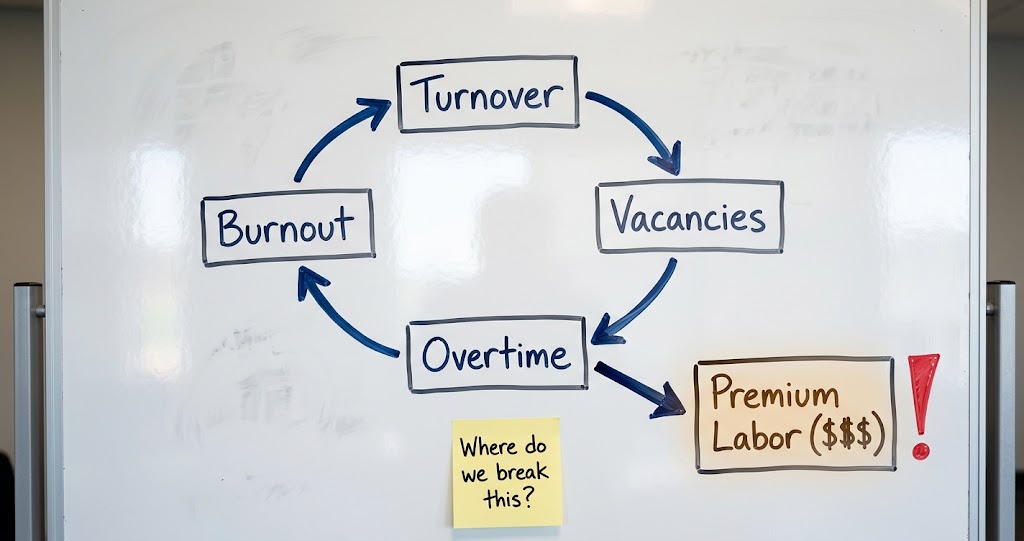
Turnover is often discussed as a talent market problem, a compensation problem, or a recruiting problem. But when your best people are emotionally exhausted, turnover often begins much earlier than the resignation itself. It begins when the effort...

Quiet checkout rarely begins with resignation. It begins with distance. A burned out employee may still be physically present, but inwardly, they have started to pull back.

People do not usually lose their sense of direction all at once. More often, it happens gradually. In high pressure roles, the demands are immediate, the pace is relentless, and the horizon gets crowded by what feels urgent. Over time, a person ca...

Retention is often treated as a loyalty problem. But in high stress teams, people do not leave only because the market offers more. They leave because the cost of staying begins to feel too high in terms of energy, hope, or meaning.

One of the most revealing things leaders notice under pressure is that two people can carry similar demands and respond very differently. One remains steady, thoughtful, and connected. The other becomes thinner, more reactive, and harder to reach....

Pressure alone can destabilize a workforce. So can change. Put the two together and the effects can become difficult to control. Workforce stability begins to weaken long before turnover tells the story.

When organizations talk about burnout, they often start with the easiest number to see: absenteeism. Missed days are concrete. They show up in reports. They create visible operational gaps. But absenteeism is only one part of the cost, and often n...

Organizations usually notice burnout too late. They notice it when a resignation email lands or when a once dependable leader becomes reactive. The real challenge is that top performers often do not look burned out at first.

Most workplace crises begin earlier than people think. They start in quieter places. A person becomes harder to read. Their energy changes. Their emotional range narrows. The manager is often the closest observer.

One of the most unsettling things leaders experience is watching a strong employee slowly become harder to reach. Nothing dramatic may have happened. The person still shows up. But something has changed.

One of the most difficult workplace conversations happens when a leader sees strain clearly, but the employee will not name it. Denial is not always resistance. Sometimes it is protection.

Leadership burnout is often hardest to see in the people who know how to hide it best. A leader can remain effective on paper long after their internal reserves have started to thin.

Not every workplace crisis is loud. Some of the most damaging forms of decline happen quietly, in full view, while everyone still appears to be functioning. In recent workplace language, some have started calling this quiet cracking.

It can be deeply unsettling for a manager to watch a top performer begin to fade. Not fail. Not collapse. Fade. The person is still competent. The work still gets done. But something that once felt unmistakable is becoming harder to find.

A person can have a solid role, fair pay, a respected title, and still begin to lose motivation. Human beings do not stay engaged on rewards alone. They also need a sense that what they are doing connects to something meaningful.

Many leaders know resilience matters. What they do not always know is how to talk about it in a way that feels credible inside a serious workplace. Resilience is not a soft topic. It is a stability topic.

Burnout is often described as a problem of overload. But overload does not fully explain why two people can carry similar workloads and respond so differently. That difference points to something deeper.

There is no shortage of resilience training in the market. But leaders in high pressure environments often ask a reasonable question: what kind of resilience training actually helps when the pressure is real?

It is the quieter moment when someone who used to care deeply begins to feel harder to reach. When that happens, leaders often reach for the wrong tools. Because meaning is not something that can simply be assigned from the outside.

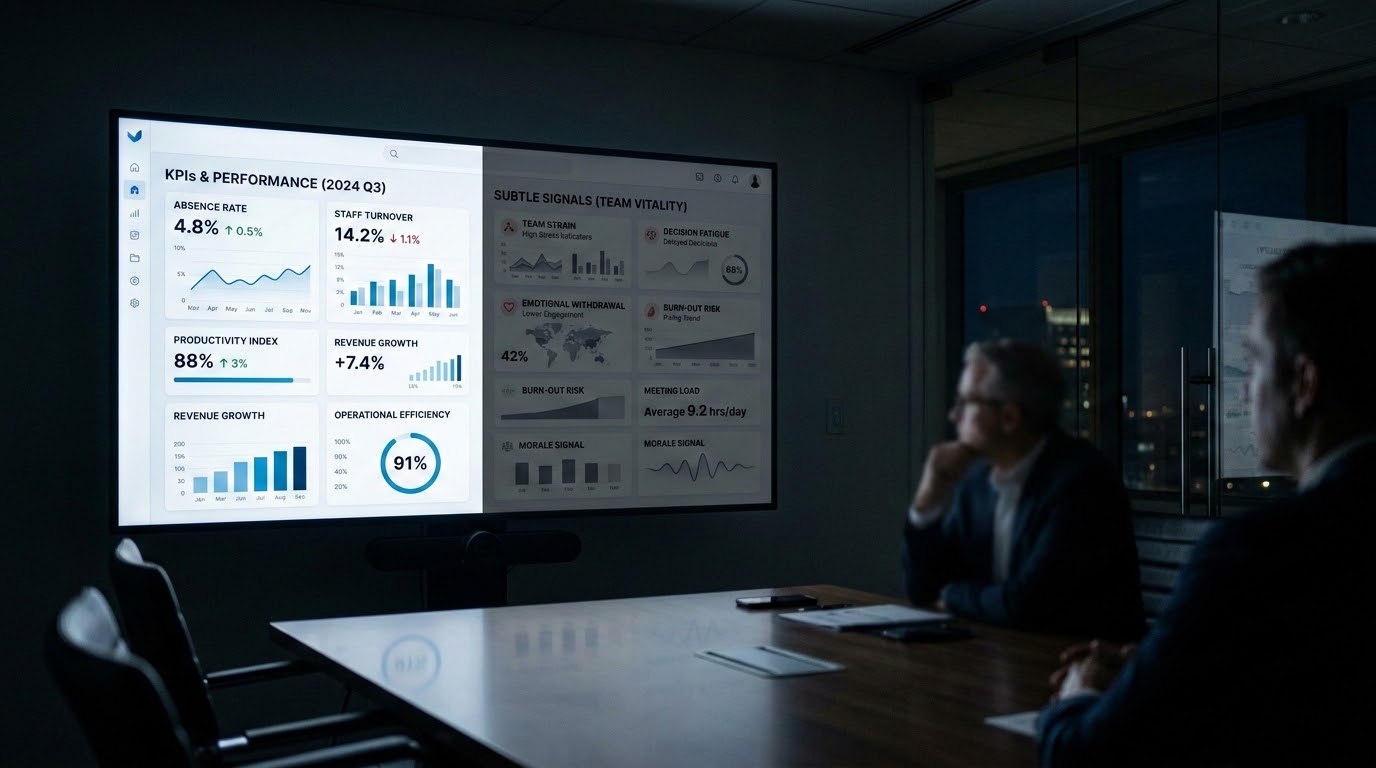
Most organizations are good at measuring what has already gone wrong. But by the time those indicators become obvious, the organization is usually looking at damage, not early warning.

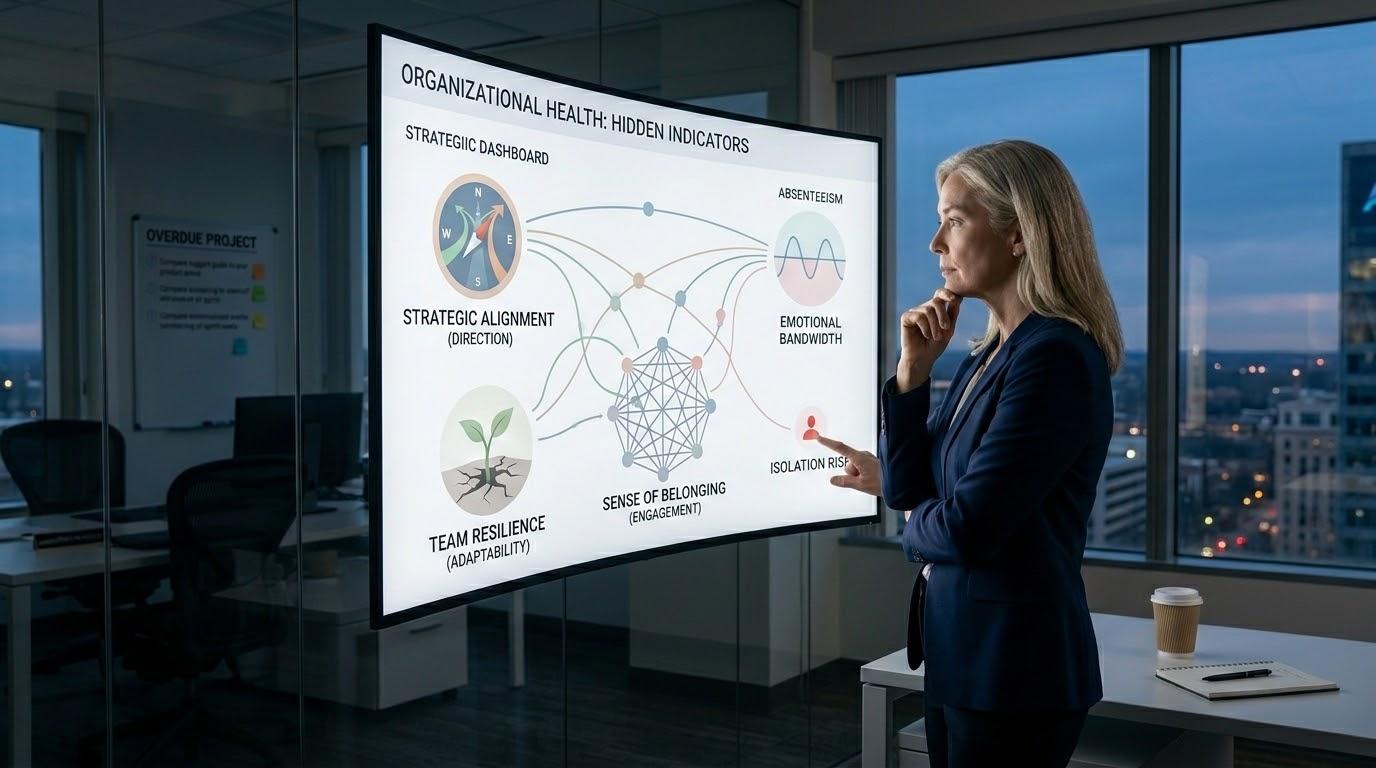
Organizations are comfortable measuring what can be counted quickly. But many of the forces that shape those numbers begin long before they appear on a dashboard. How do you measure something like hope?

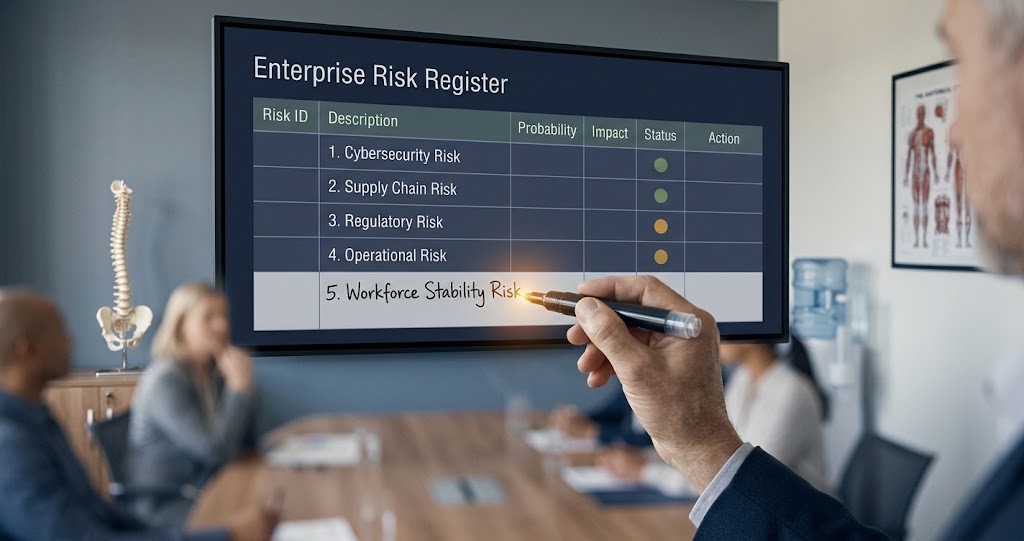
Most leaders do not struggle to care about burnout. They struggle to justify acting on it early. The strongest case for early intervention does not begin with compassion alone. It begins with timing.
The Anchored Hope Index™ helps you understand resilience, direction, and the strength of your connection to a meaningful future.